
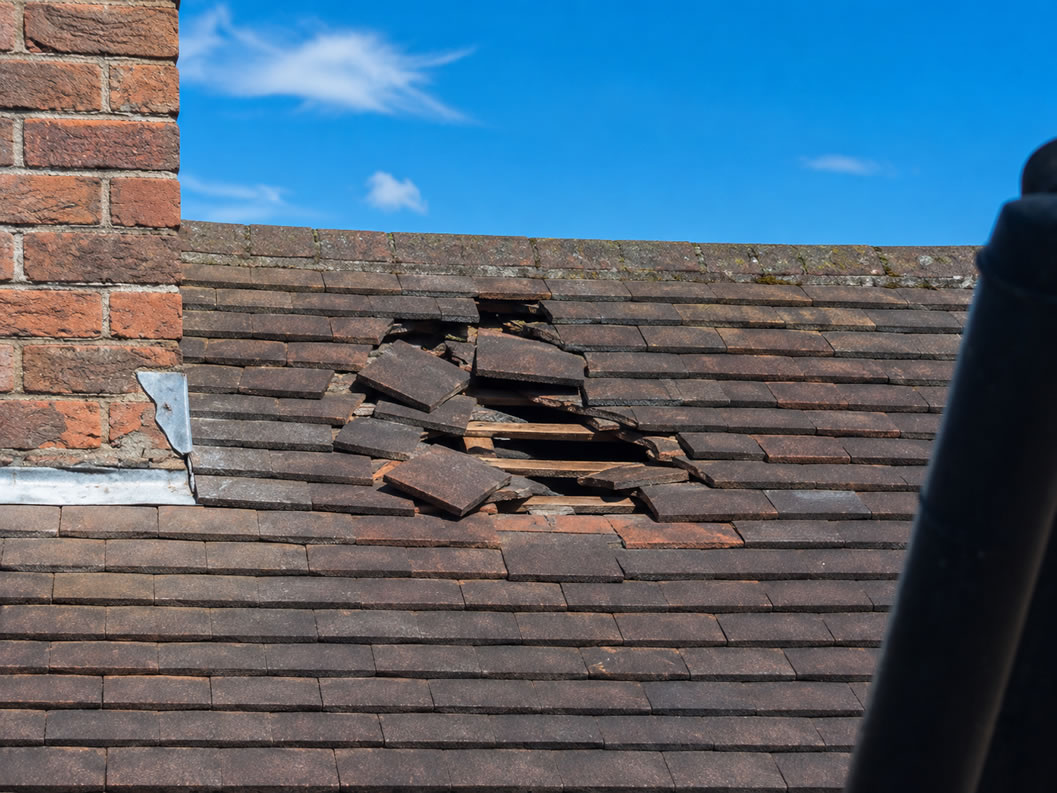
A bad roof repair can be more expensive than the original problem.
Poor workmanship may hide a leak for a few weeks while water continues reaching the battens, insulation and roof timbers. In other cases, a contractor may replace the wrong materials, use unsuitable sealant or recommend unnecessary work without properly inspecting the roof.
Homeowners do not need to understand every roofing system in detail. However, a few sensible checks can greatly reduce the risk of paying for a repair that fails during the next period of heavy rain.
The most important steps are choosing a suitable contractor, obtaining a clear diagnosis and making sure the proposed repair deals with the cause rather than only the visible symptom.
This guide explains how to avoid bad roof repairs, recognise weak quotations and protect yourself before, during and after the work.
What Is a Bad Roof Repair?
A bad roof repair is work that fails to provide the agreed level of weather protection, safety or durability.
It may involve:
- Repairing the wrong area
- Covering damage rather than removing it
- Using incompatible materials
- Leaving tiles loose
- Applying sealant as a substitute for proper work
- Failing to replace rotten timber
- Installing poor flashing
- Blocking roof ventilation
- Leaving gaps around roof windows
- Reusing badly damaged tiles
- Ignoring the original cause of the leak
- Providing unsafe access
- Charging for work that was not completed
Not every repair that later develops a problem was necessarily completed badly. Storms, hidden defects and unrelated faults can still occur. Nevertheless, good workmanship should be based on a clear diagnosis and an appropriate repair method.
Warning Signs Before You Hire a Roofer
| Warning Sign | Why It Matters |
|---|---|
| No proper roof inspection | The contractor may be guessing |
| Immediate recommendation for a new roof | The problem may only need a repair |
| Very vague quotation | Important work can be excluded later |
| Pressure to agree immediately | Prevents comparison and checking |
| Full payment requested upfront | Creates unnecessary financial risk |
| No business details | The roofer may be difficult to trace |
| Cash-only payment | Leaves less evidence of the transaction |
| No insurance | May expose the homeowner to risk |
| No explanation of materials | Quality and compatibility cannot be checked |
| No access plan | Work may be completed unsafely |
| Refuses to provide photographs | Hidden faults are difficult to verify |
| Guarantee only given verbally | Aftercare may become difficult |
| Unusually low quotation | Work or materials may be missing |
| Large unexpected discount | Original price may have been inflated |
| Repeated use of scare tactics | The recommendation may not be impartial |
Do Not Choose a Roofer Based on Price Alone
The cheapest quotation may still be good value, particularly where a local roofer has lower overheads. However, a very low price can also mean that important parts of the repair have been left out.
For example, one contractor may quote to spread sealant over cracked flashing. Another may quote to remove surrounding tiles, replace the damaged flashing and repair the roofing underlay.
Both quotations could be described as a “chimney leak repair”, but they are not the same job.
Compare:
- The diagnosed fault
- The proposed repair method
- Materials
- Access
- Labour
- Waste removal
- Internal making good
- Guarantee
- Expected lifespan
Common Examples of Bad Roof Repairs
Sealant Applied Over Everything
Roofing sealant has useful applications, but it should not replace correct flashing, tile fixing or membrane work.
Poor repairs often involve sealant spread over:
- Lead flashing
- Ridge mortar
- Broken tiles
- Roof windows
- Valleys
- Flat-roof seams
- Dry verge components
- Chimney joints
This may provide temporary protection, although it can also trap water and make later repairs more difficult.
New Mortar Over Loose Mortar
Fresh mortar will not remain secure when applied over crumbling material.
Loose mortar should be removed first from areas such as:
- Ridge tiles
- Hip tiles
- Verges
- Chimney flaunching
- Parapets
Patching Over Rotten Timber
A new waterproof layer needs a firm base.
Covering rotten boards or battens may leave the roof:
- Weak
- Uneven
- Unable to hold fixings
- Vulnerable to further leaks
- At risk of sagging
Replacing Tiles Without Fixing the Underlay
A broken tile may be the visible problem, but water may already have torn or damaged the membrane below.
The roofer should inspect the area beneath long-standing tile damage.
Poor Lead Flashing
Bad leadwork may include:
- Pieces cut too long
- Shallow overlaps
- Poorly formed corners
- Excessive sealant
- Loose wedges
- Lead fixed in a way that prevents movement
- Flashing fitted over unstable mortar
- Incorrect lead thickness
Incorrect Dry Ridge or Dry Verge Installation
Common faults include:
- Missing screws
- Loose clips
- Weak fixing points
- Mixed components
- Poor ridge closures
- Units fitted in the wrong direction
- Caps glued instead of fixed
- Rotten battens left in place
Flat Roof Coated Without Preparation
Liquid coatings and repair systems need suitable preparation.
A poor contractor may coat over:
- Standing water
- Moss
- Wet decking
- Loose felt
- Open blisters
- Rotten timber
- Contaminated surfaces
Temporary Repair or Permanent Repair?
Homeowners should know which type of work they are buying.
| Temporary Repair | Permanent Repair |
| Intended to reduce immediate water entry | Intended to restore the roof properly |
| May use tarpaulin or emergency sealant | Uses compatible roofing materials |
| Often completed during bad weather | Usually completed in suitable conditions |
| Limited lifespan | Expected to last for years |
| May not include hidden damage | Should address the full diagnosed fault |
| Lower immediate cost | Higher but more complete cost |
| Follow-up work normally required | Follow-up should not be routinely needed |
A temporary repair is not necessarily bad workmanship when the roofer clearly explains its limitations.
Problems arise when emergency patching is sold as a permanent solution.
Ask What Caused the Problem
A good contractor should explain why the roof failed.
Possible causes include:
- A cracked tile
- Failed lead flashing
- Old mortar
- Damaged roofing underlay
- Blocked drainage
- Rotten battens
- Condensation
- Storm damage
- Poor original installation
- Failed roof window flashing
- Flat-roof ponding
- Structural movement
Be cautious when the roofer only points to the damp mark inside. Water may enter elsewhere and travel before becoming visible.
Ask for Photographs
Many roofing faults cannot be seen safely from the ground.
Ask for photographs of:
- The damaged area
- Surrounding tiles
- Underlay
- Timber damage
- Flashing
- Roof valleys
- Ridge and verge details
- Flat-roof seams
- Completed work
Photographs should support the explanation, not replace it.
A close-up image of one crack does not prove the full roof needs replacement.
Obtain a Written Quotation
A written quotation should explain exactly what the roofer will do.
It should normally include:
- Business name
- Address and contact details
- Property address
- Description of the fault
- Repair area
- Materials
- Access arrangements
- Scaffolding
- Labour
- Waste removal
- VAT
- Payment terms
- Expected duration
- Guarantee
- Exclusions
- Treatment of hidden damage
Avoid relying on a short text saying only “repair roof leak”.
What a Good Roof Repair Quote Should Include
| Quote Item | Why It Matters |
| Cause of the leak | Shows whether the problem was diagnosed |
| Exact repair area | Prevents misunderstandings |
| Tiles or slates required | Clarifies replacement materials |
| Flashing work | Important around chimneys and walls |
| Underlay repair | Covers hidden water protection |
| Timber repairs | Explains how rot will be handled |
| Mortar work | Distinguishes pointing from re-bedding |
| Flat-roof system | Confirms material compatibility |
| Scaffolding or access | Often a major cost |
| Waste removal | Prevents debris being left |
| Internal work | Plastering may be excluded |
| VAT | Confirms the final total |
| Guarantee | Sets out aftercare |
| Hidden damage rates | Reduces surprise charges |
Repair Description Examples
Weak quotation
“Repair leaking roof – £750.”
Better quotation
“Lift approximately 20 concrete roof tiles above the rear bedroom, remove damaged felt, install a correctly lapped breathable membrane repair, replace two damaged battens, reinstate tiles with new matching replacements where required, clear debris and provide a five-year workmanship guarantee.”
The second description allows the homeowner to understand what they are paying for.
Get More Than One Opinion
Two or three quotations can help reveal major differences.
For example:
- Roofer A recommends replacing two tiles.
- Roofer B recommends a local underlay repair.
- Roofer C recommends a complete new roof.
Where recommendations vary widely, ask each contractor to explain the evidence.
A further independent inspection may be sensible before approving major work.
When a Roof Survey May Be Worth Paying For
A detailed independent survey can help where:
- Repair quotes differ greatly
- A full roof replacement is recommended
- The property has repeated leaks
- Structural movement is suspected
- The roof is complex
- The property is listed
- A dispute exists with an earlier contractor
- The homeowner is buying a property
The surveyor should ideally have suitable roofing or building pathology experience.
Check Whether the Roofer Has Relevant Experience
A contractor may be skilled in one roofing system but unfamiliar with another.
| Repair Needed | Relevant Experience |
| Natural slate repairs | Traditional slate fixing |
| Lead valley replacement | Leadwork and correct detailing |
| EPDM repair | Compatible rubber repair systems |
| GRP repair | Fibreglass preparation and laminating |
| Roof window leak | Window flashing and underlay |
| Heritage roof | Traditional materials and approvals |
| Flat-roof ponding | Falls, decking and drainage |
| Dry ridge repair | Compatible mechanical systems |
| Chimney leak | Leadwork, masonry and roofing |
| Dormer repair | Flat roof, cheeks and flashing |
Ask to see examples of similar work rather than general photographs of roofs.
Check the Business Details
Useful checks include:
- Trading name
- Business address
- Telephone number
- Email address
- Company registration where applicable
- VAT registration where applicable
- Insurance
- Website
- Reviews
- Local references
- Invoices from previous work
A polished website does not prove quality. Equally, a small local roofer may provide excellent work without extensive marketing.
The details should remain consistent across quotations, invoices and payments.
Check Public Liability Insurance
A roofer should normally hold suitable public liability insurance.
Ask whether the policy covers:
- Roofing work
- Work at height
- Heat-based work where relevant
- Accidental damage
- Subcontractors
- The project value
Insurance does not cover poor workmanship in every situation, but it provides important protection for certain accidents and damage.
Ask Who Will Do the Work
The person who surveys the roof may not be the person who repairs it.
Ask:
- Will the owner attend?
- Are the workers employees?
- Are subcontractors used?
- Who supervises the repair?
- Who is responsible for the guarantee?
- Who handles complaints?
- Who receives payment?
Subcontracting is common, but responsibility should remain clear.
Avoid Full Payment Upfront
Small repairs are often paid after completion.
For larger work, a contractor may reasonably request:
- A small deposit
- Payment for special-order materials
- A scaffold payment
- Stage payments
- Final payment after completion
Avoid paying the whole amount before work begins.
Also be cautious where:
- Payment is requested into an unrelated account
- The payee name changes
- Cash is required without a receipt
- The deposit is unusually high
- Extra money is demanded before evidence is provided
Agree How Extra Work Will Be Approved
Hidden damage may appear after tiles or roof coverings are removed.
Examples include:
- Rotten battens
- Damaged rafters
- Wet decking
- Torn underlay
- Cracked tiles
- Failed insulation
- Insect damage
The contractor should explain:
- What is included
- What counts as an extra
- Labour rates
- Material rates
- How photographs will be provided
- Whether approval is needed before proceeding
Do not allow open-ended additional work without written agreement.
Do Not Let Urgency Remove Basic Checks
Active leaks and storm damage can make homeowners feel pressured.
An emergency roofer may need to:
- Replace a missing tile
- Install temporary sheeting
- Remove loose materials
- Patch a flat roof
- Clear blocked drainage
Even during urgent work, ask for:
- Contractor details
- Price
- Basic scope
- Receipt
- Explanation of whether the repair is temporary
- Follow-up requirements
Check the Proposed Materials
Ask the roofer to identify the materials rather than using vague terms such as “best quality felt”.
Important details may include:
- Tile or slate type
- Membrane brand or classification
- Batten specification
- Lead code
- EPDM system
- GRP resin system
- Dry ridge manufacturer
- Dry verge manufacturer
- Sealant type
- Flashing kit
- Insulation
The materials should suit the existing roof and repair method.
Do Not Mix Incompatible Roofing Products
Some roofing materials react badly or fail to bond when mixed.
Examples include:
- Bitumen applied to unsuitable rubber membranes
- General silicone used on EPDM
- Random adhesive used on roof windows
- Different dry verge systems mixed together
- Incompatible single-ply repair patches
- Cement mortar applied where movement requires another detail
A specialist system should normally use compatible primers, tapes, adhesives and components.
Poor Scaffolding and Access Can Affect Workmanship
Unsafe or inadequate access does not only create a fall risk. It can also lead to rushed or incomplete repairs.
A roofer balancing from a ladder may struggle to:
- Lift enough tiles
- Replace underlay correctly
- Carry materials
- Form neat flashing
- Remove old mortar
- Secure components
- Inspect the surrounding roof
Suitable access may include:
- Full scaffolding
- Scaffold tower
- Mobile platform
- Roof ladder
- Edge protection
- Temporary platform
The correct method depends on roof height, pitch and repair size.
Common Bad Repair Methods by Roof Area
Ridge Tiles
Poor work includes:
- Surface pointing over loose tiles
- Mortar without proper tile fixing
- Loose dry ridge screws
- Mixed dry ridge components
- Cracked tiles reused
Roof Verges
Poor work includes:
- New mortar over loose mortar
- Dry verge glued in place
- Caps fixed into rotten battens
- Old crumbling mortar left underneath
- Missing starter units
Chimney Flashing
Poor work includes:
- Sealant spread over splits
- Flashing not chased into masonry
- Short overlaps
- Loose pointing
- Incorrect lead sections
Roof Valleys
Poor work includes:
- Patches that restrict water flow
- Debris left in the channel
- Incorrect tile cuts
- Insufficient overlap
- Rotten valley boards left in place
Flat Roofs
Poor work includes:
- Coating over wet surfaces
- Covering soft decking
- Ignoring ponding
- Using unsuitable patches
- Leaving open edge details
Roof Windows
Poor work includes:
- Sealant around the frame without inspecting flashing
- Wrong flashing kit
- Blocked drainage channels
- Torn underlay left unrepaired
- Poor insulation around the opening
Be Careful with Unnecessary Roof Replacement
A contractor should not recommend a complete new roof simply because one area leaks.
Full replacement may be justified where there is:
- Widespread tile failure
- Brittle underlay
- Rotten battens
- Repeated leaks
- Structural damage
- Extensive flat-roof deterioration
- Widespread slate fixing failure
However, the roofer should explain which components have failed and show evidence.
Get another opinion before agreeing to major work when the rest of the roof appears sound.
Be Careful with Repairs That Are Too Small
The opposite problem also occurs.
A contractor may offer a cheap patch when the roof needs wider work.
A small repair may be poor value where:
- Several leaks exist
- Felt is brittle throughout
- Flat-roof decking is soft
- Valleys and flashing have both failed
- Ridge tiles move along the whole roof
- Previous patches are widespread
- Structural sagging is visible
The right repair should be proportionate to the actual condition.
Ask How Long the Repair Should Last
No contractor can guarantee an exact lifespan under every condition, but they should provide a reasonable expectation.
Ask:
- Is the repair temporary?
- How long should it remain effective?
- Does surrounding material have enough life left?
- What could cause it to fail?
- Is maintenance required?
- What is covered by the guarantee?
A small repair on an ageing roof may be correctly completed but still have a limited practical lifespan because another section could fail.
Roofing Guarantees
A written guarantee should explain:
- The contractor’s name
- Property address
- Repair covered
- Duration
- Start date
- Exclusions
- Maintenance requirements
- Claim procedure
- Whether materials have separate warranties
- Whether the guarantee transfers to a new owner
A verbal promise such as “call me if anything goes wrong” is difficult to rely on.
Manufacturer Warranties
Roofing products may carry manufacturer warranties.
However, these usually depend on:
- Correct installation
- Approved accessories
- Suitable roof design
- Proper preparation
- Installer registration in some systems
- Maintenance
- Product registration
- Exclusions
A material warranty does not necessarily cover the roofer’s workmanship.
Check the Work Before Final Payment
Where safe and practical, review:
- Photographs of the completed repair
- Removed damaged materials
- New components
- Roof alignment
- Flashing
- Mortar finish
- Gutters
- Waste removal
- Internal damp area
- Invoice and guarantee
For hidden work, ask for progress photographs before tiles or membranes cover it.
Useful Progress Photographs
Ask the roofer to photograph:
- The original fault.
- The area after tiles or covering are removed.
- Any rotten timber.
- The membrane or flashing repair.
- New battens or decking.
- The finished roof.
- Cleared gutters and debris.
These images create a basic record of the work.
Test the Repair Properly
Natural rainfall is often the safest test.
Water testing may help in some situations, but it should be controlled carefully. Spraying too much water or directing it upwards beneath tiles can create an unrealistic leak.
After repair:
- Check the loft during rain
- Monitor the original damp area
- Look for fresh staining
- Check insulation
- Watch for new drips
- Allow old plaster to dry fully
Old water stains may remain even when the leak has stopped.
Do Not Redecorate Immediately
Plaster, timber and insulation can take time to dry.
Before redecorating:
- Confirm the leak has stopped
- Allow adequate drying time
- Check moisture levels where needed
- Replace damaged insulation
- Treat mould correctly
- Repair loose plaster
Painting too soon can trap moisture or allow stains to return.
What to Do If a Repair Fails
Contact the roofer promptly and provide:
- Date of rainfall
- Photographs
- Video where useful
- Location of water
- Original quotation
- Invoice
- Guarantee
- Previous correspondence
Give the contractor a reasonable opportunity to inspect the problem.
Keep communication in writing where possible.
If the Roofer Does Not Return
Possible next steps include:
- Send a clear written complaint.
- State the fault and expected remedy.
- Provide a reasonable response deadline.
- Keep photographs and records.
- Obtain an independent inspection.
- Get quotations for corrective work.
- Check whether a trade scheme or guarantee provider applies.
- Review payment-provider protections.
- Seek consumer advice where necessary.
Avoid allowing another contractor to remove all evidence before the original roofer has been informed, unless urgent work is needed to prevent further damage.
Keep a Complete Paper Trail
Retain:
- Advertisements
- Quotations
- Contracts
- Emails
- Text messages
- Photographs
- Invoices
- Receipts
- Bank records
- Guarantees
- Material details
- Complaint letters
- Independent reports
Good records help resolve misunderstandings and disputes.
Can a Bad Repair Damage the Rest of the Roof?
Yes.
Poor work can lead to:
- Water entering roof timbers
- Rotten battens
- Wet insulation
- Mould
- Ceiling damage
- Loose tiles
- Blocked drainage
- Trapped condensation
- Structural decay
- Damage to neighbouring roof areas
For example, a patch that blocks a valley may redirect water beneath tiles that were previously sound.
Can Bad Roof Repairs Affect Insurance?
Potentially.
An insurer may refuse to cover:
- Defective workmanship
- Gradual deterioration
- Poor maintenance
- Damage resulting from an excluded repair
However, policies vary.
Keep evidence of professional repairs and contact the insurer promptly where sudden insured damage occurs.
Can a Home Survey Find Poor Roof Repairs?
A property survey may identify visible warning signs such as:
- Excessive sealant
- Uneven tiles
- Failed mortar
- Poor flashing
- Sagging
- Multiple patches
- Damp roof timbers
- Inconsistent materials
However, some repairs remain hidden beneath tiles or membranes.
A specialist roof inspection may be recommended where concerns exist.
How to Compare Roof Repair Quotes
Use a simple scoring table.
Score each contractor from one to five.
| Comparison Area | Roofer A | Roofer B | Roofer C |
| Clear diagnosis | |||
| Similar experience | |||
| Detailed written quote | |||
| Suitable materials | |||
| Safe access | |||
| Insurance | |||
| Payment terms | |||
| Guarantee | |||
| Communication | |||
| Local references | |||
| Expected repair lifespan | |||
| Overall confidence |
The cheapest roofer may still score highest, but price should be considered alongside the complete offer.
Questions to Ask Before Hiring
Ask every roofer:
- What caused the problem?
- Can you show me photographs?
- Is the damage local or widespread?
- Is the proposed repair temporary or permanent?
- What materials will you use?
- Will tiles or slates be removed?
- Will you inspect the underlay and battens?
- Is any timber repair included?
- Does the price include scaffolding?
- Does it include waste removal?
- Is VAT included?
- What could increase the price?
- How will extra work be approved?
- Who will complete the work?
- What insurance do you hold?
- What guarantee will I receive?
- When is payment due?
- How long should the repair last?
Roof Repair Checklist Before Work Starts
| Check | Completed? |
| Roof inspected properly | |
| Fault explained clearly | |
| Photographs provided | |
| Written quotation received | |
| Materials specified | |
| Access included | |
| Insurance checked | |
| Payment terms agreed | |
| Hidden damage procedure agreed | |
| Start date discussed | |
| Guarantee explained | |
| Contractor details verified |
Roof Repair Checklist After Completion
| Check | Completed? |
| Progress photographs received | |
| Repair matches quotation | |
| Tiles and flashing look secure | |
| Gutters are clear | |
| Waste has been removed | |
| Invoice received | |
| Guarantee received | |
| Final payment recorded | |
| Loft checked after rain | |
| Internal area allowed to dry |
Common Homeowner Mistakes
Hiring the First Roofer Who Knocks on the Door
Unexpected callers may be legitimate, but urgent claims should still be checked.
Accepting a Verbal Price
A written scope reduces disputes.
Paying in Cash Without a Receipt
This creates weak evidence of payment and work.
Choosing Solely by Reviews
Reviews can be incomplete or manipulated.
Ignoring Access
A cheap quote may exclude the scaffolding needed to complete the work correctly.
Failing to Ask About Materials
Different roofing products offer different performance and compatibility.
Allowing Unapproved Extra Work
Costs can increase rapidly without written control.
Paying Before Checking the Work
Final payment is the homeowner’s strongest practical leverage.
Redecorating Too Soon
The roof structure may still contain moisture.
Assuming Every Leak Comes from the Roof Tile Above It
Water can travel through roof layers before appearing indoors.
Signs of a Good Roof Repair
A good repair usually includes:
- Clear diagnosis
- Suitable access
- Removal of defective material
- Inspection of hidden layers
- Compatible products
- Correct tile or slate fixing
- Proper flashing
- Free drainage
- Sound supporting timber
- Neat finishing
- Photographic records
- Written invoice
- Realistic guarantee
- Prompt aftercare
Repair Quality Comparison
| Poor Repair | Better Repair |
| Sealant over a crack | Defective material removed and renewed |
| Surface mortar over loose bedding | Tiles lifted and re-bedded |
| Patch over rotten deck | Rotten timber replaced first |
| Random rubber adhesive | Compatible EPDM repair system |
| Wrong roof window flashing | Correct kit for tile or slate |
| Dry verge glued on | Units mechanically fixed |
| Valley filled with sealant | Drainage detail rebuilt properly |
| Leak guessed from indoors | Internal and external inspection completed |
| Full payment upfront | Proportionate staged payment |
| Verbal guarantee | Written guarantee |
Frequently Asked Questions
How can I tell whether a roof repair is poor quality?
Warning signs include excessive sealant, loose tiles, uneven flashing, mortar applied over old loose material, repeated leaks and no clear evidence of what was repaired.
Should a roofer inspect the loft?
Where access is available, a loft inspection can help identify damp underlay, rotten battens, condensation and the path of water entry.
Is roofing sealant always a bad repair?
No. Sealant has legitimate uses within compatible roofing systems. It becomes a problem when used instead of proper flashing, tile fixing or structural repair.
Should I get more than one roof repair quote?
Two or three quotations are useful, particularly where the repair is expensive or contractors recommend very different work.
How detailed should a roofing quote be?
The quotation should describe the fault, repair area, method, materials, access, waste, payment terms, guarantee and possible extras.
Should I pay a roofer upfront?
Avoid paying the full amount upfront. A reasonable deposit may be needed for special materials or scaffolding on larger jobs.
How do I know whether a repair is temporary?
The roofer should clearly state that it is temporary and explain the permanent work required. Emergency patches and tarpaulins are not full repairs.
Is the cheapest roofing quote likely to be bad?
Not necessarily. A local roofer may have lower overheads. However, check that the quotation includes the same work and materials as higher quotes.
Should roof repairs come with a guarantee?
Many professional repairs include a workmanship guarantee. The duration depends on the repair type and surrounding roof condition.
Can a roofer guarantee that the roof will never leak again?
A roofer can guarantee specified workmanship, but cannot realistically guarantee unrelated parts of an ageing roof indefinitely.
What should I do if the roof still leaks?
Contact the contractor promptly, provide evidence and allow them a reasonable opportunity to inspect and correct the repair.
Should I ask for before-and-after photographs?
Yes. Photographs are especially useful where the work will become hidden beneath tiles, flashing or membranes.
Can a bad roof repair make the leak worse?
Yes. Poor patches can trap water, block drainage or redirect rain into previously sound areas.
How can I avoid unnecessary roof replacement?
Request clear evidence, ask whether local repair is possible and obtain another opinion before agreeing to a complete new roof.
What is the best way to avoid bad roof repairs?
Choose a contractor with relevant experience, obtain a detailed written quote, verify materials and insurance, control payments and inspect the work before paying the final balance.