
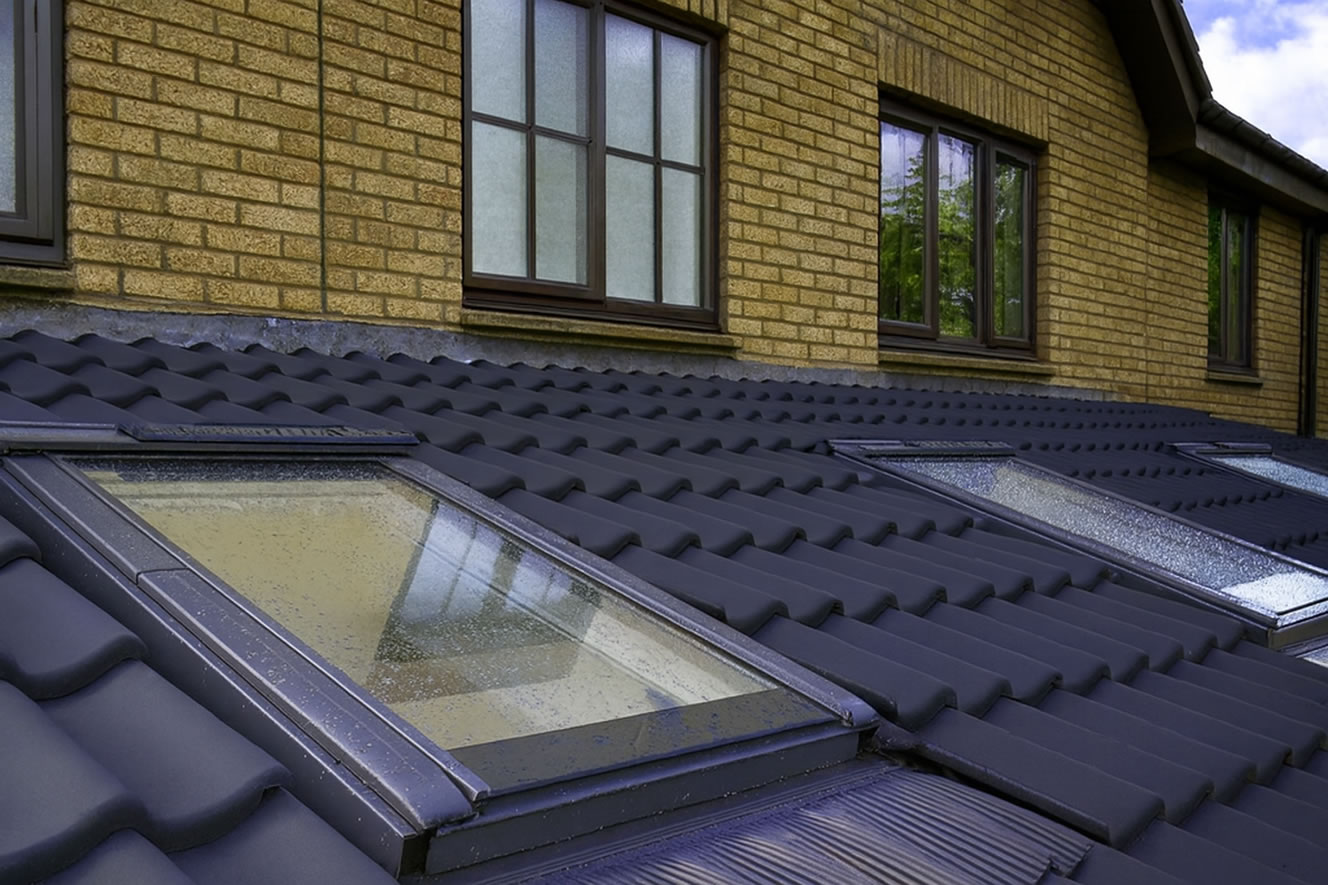
Bringing more daylight into the home is one of the most effective ways to improve how a space feels and functions. VELUX roof windows are a popular choice across the UK for this very reason. Whether you’re working on a loft conversion, refreshing a tired extension, or exploring ways to open up a darker room, VELUX has a product range that suits modern and traditional homes alike.
This guide takes you through the essentials—window types, costs, planning considerations, conservation area rules, installation info, and energy-saving benefits—along with helpful FAQs and comparison tables.
What Makes VELUX Windows So Popular?
VELUX has built a reputation for creating long-lasting, easy-to-operate, and visually appealing roof windows. Homeowners appreciate them because they:
- Introduce far more natural light than vertical windows of similar size
- Encourage good airflow, helping to reduce moisture and condensation
- Suit a wide range of architectural styles
- Come with high-performance glazing for energy efficiency
- Offer options for flat roofs, steep roofs, bedrooms, kitchens and more
- Include accessories such as blackout blinds, heat-control glass and solar-powered openers
With plenty of variations available, VELUX windows can transform both compact rooms and large open spaces.
VELUX Product Types Compared
Here’s an updated look at the most popular VELUX window styles and how they differ:
| Window Type | Suitable For | Features & Benefits | Approx. Cost (Window Only) |
|---|---|---|---|
| Centre-Pivot | General home use | Easy to clean, rotates for ventilation, great for higher placement | £350–£900 |
| Top-Hung | Loft conversions | Opens outward for maximum views and extra headroom | £500–£1,200 |
| CABRIO Balcony | Premium loft spaces | Creates instant balcony space when opened | £2,000–£3,500 |
| Roof Terrace System | Larger conversions | Allows access onto a terrace or roof space | £3,000–£5,000 |
| Flat Roof Windows | Extensions & kitchens | Curved, flat or domed glass for striking rooflight designs | £900–£2,500 |
| Sun Tunnels | Windowless areas | Directs daylight through reflective tubing | £350–£850 |
Price Guide: Installation & Materials
VELUX pricing varies by size, roof type and glazing specification. Below is a broad guide for UK homeowners:
| VELUX Product | Supply Only | Typical Installed Price |
|---|---|---|
| Centre-pivot window | £350–£900 | £800–£1,800 |
| Top-hung window | £500–£1,200 | £1,000–£2,200 |
| Flat roof rooflight | £900–£2,500 | £1,500–£3,500 |
| Sun tunnels | £350–£850 | £700–£1,400 |
| CABRIO balcony system | £2,000–£3,500 | £4,000–£7,000 |
Internal finishing, plastering and scaffolding can increase costs depending on the home’s layout.
Do VELUX Windows Need Planning Permission?
Most homeowners will not require planning permission. Under UK Permitted Development rules, a roof window is allowed as long as:
- It does not extend more than 150mm above the existing roof surface
- It sits below the roof ridge line
- Side-facing windows use obscure glazing and are non-opening below 1.7m
Planning permission may be required if:
- Your home is in a designated conservation area
- The window projects significantly or alters the roof shape
- You are adding a balcony-style product (e.g., CABRIO)
- Your property has restricted development rights (common on new-build estates)
It’s always wise to confirm with your local authority before starting work.
Installing VELUX Windows in Conservation Areas
If you live in a conservation area, roof window design must respect the appearance of the neighbourhood. Councils typically prefer:
Approved or favourable options:
- Flush-fitting conservation-style VELUX windows
- Dark external window frames
- Matching slate or tile detailing
Often restricted or requires consent:
- Large rooflight clusters
- Highly reflective glazing
- Roof windows placed on a front-facing elevation
Each authority interprets these rules differently, so individual guidance is essential.
Energy Performance & Glazing Choices
VELUX glazing options help tailor the window to your home’s needs:
- Standard double glazing — good insulation for most homes
- Triple glazing — excellent for colder climates or busy urban streets
- Noise-reduction panes — ideal near main roads or flight paths
- Solar-control glazing — protects rooms from overheating in summer
- Laminated safety glass — recommended for windows installed low to the floor
VELUX frames are also designed with thermal breaks and advanced insulation technology.
Installer Accreditation & Quality Standards
When choosing a professional to fit your VELUX window, look for these UK-recognised schemes:
VELUX Certified Installer Partnership
Members complete specialist training and follow VELUX installation standards.
FENSA / CERTASS
Covers building regulation compliance for replacement windows (applies in many roof window scenarios).
TrustMark
Government-backed quality assurance for home improvement work.
NFRC Membership
A reliable indicator when working with roofing contractors.
Where VELUX Windows Work Best
VELUX windows can dramatically change how a room feels. Popular placements include:
- Attic and loft conversions – brighten new bedrooms or offices
- Kitchen extensions – ideal for flat-roof rooflights
- Bathrooms – improve ventilation and reduce mould
- Hallways and landings – introduce daylight to circulation areas
- Bedrooms – pair with blackout blinds for a restful environment
Natural light can make even small or awkwardly shaped rooms feel bigger and more inviting.
VELUX Repairs & Maintenance
Although VELUX windows are built to last, older units may eventually need servicing and Velux window repairs. Common issues include ageing seals, cloudy glazing, draughts, and stiff handles. Fortunately, many of these problems can be repaired without replacing the entire window.
Repair specialists can:
- Fit new glazing units
- Replace seals, vents and hinges
- Update worn flashing kits
- Resolve minor leaks
- Service older VELUX models to keep them functioning correctly
For windows approaching 20 years old, repairs can extend lifespan significantly. However, if the frame has deteriorated or the glazing has failed, upgrading to a modern VELUX model may be more efficient and cost-effective. It is best to find roofers near me or local pros when you are looking at getting some work done on roof.
Frequently Asked Questions
How long does a VELUX window typically last?
Many VELUX windows remain functional for 20–30 years with occasional maintenance.
Do VELUX windows improve energy efficiency?
Yes. Modern glazing and insulated frames help reduce heat loss and improve comfort.
Can VELUX windows be cleaned from inside?
Centre-pivot designs rotate, allowing the external surface to be cleaned internally.
How long does fitting a roof window take?
Most standard installations are completed in under a day.
Will a VELUX window add value to my home?
Additional daylight, ventilation and improved aesthetics often enhance property value.