
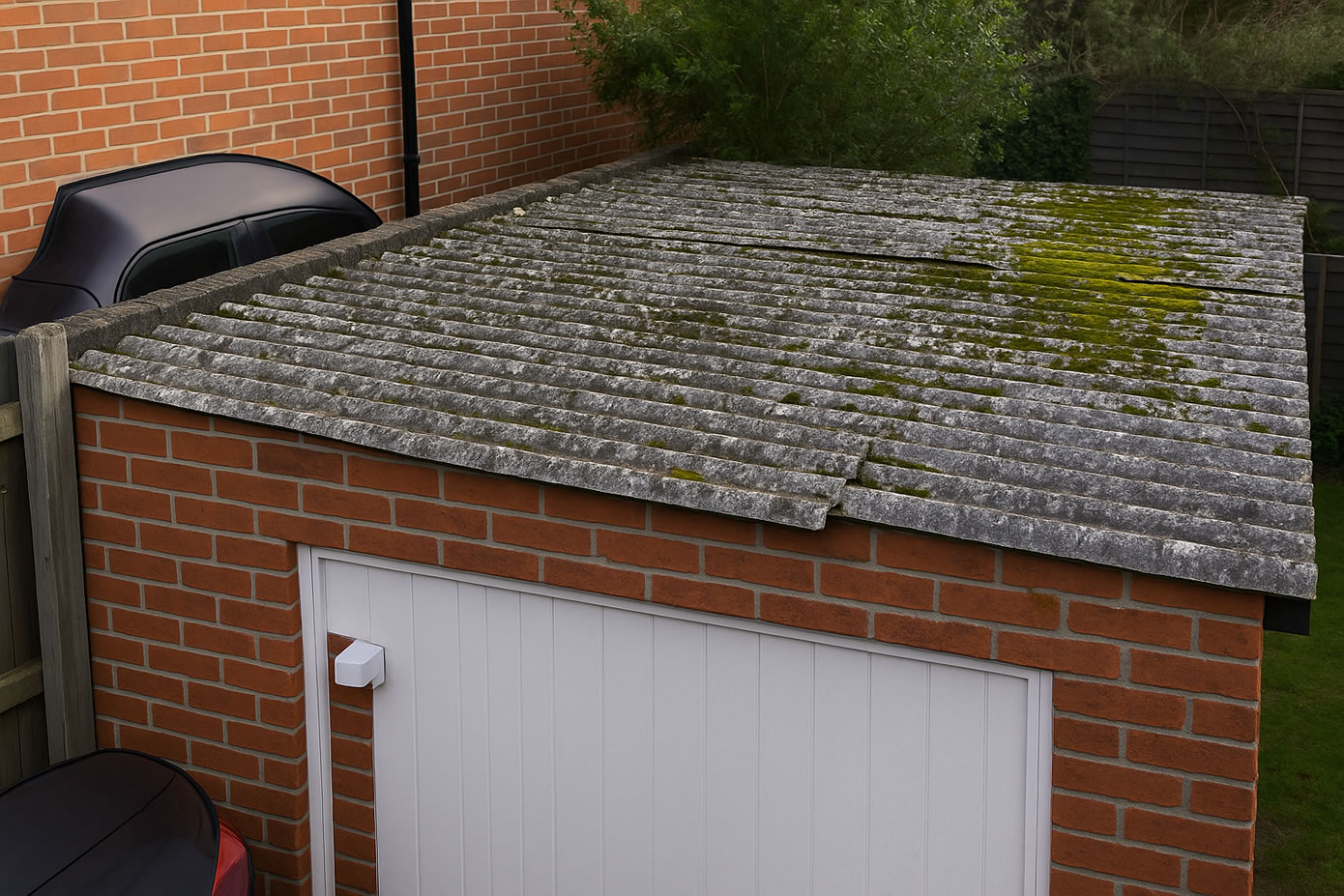
Many UK homes built before 2000 may still contain asbestos in one form or another. Although intact asbestos usually remains safe, it becomes dangerous the moment you disturb it during renovations, drilling, repairs or demolition. Because of this, homeowners should understand how asbestos identification, testing and removal work before starting any project. In this guide, you’ll learn where asbestos typically appears, how much removal costs, what the law requires, and how to choose specialists safely.
Why Asbestos Still Matters Today
Builders relied heavily on asbestos for decades because it was affordable, strong and naturally fire-resistant. However, once researchers understood the severe health risks associated with asbestos fibres, the UK banned it completely in 1999. Even so, millions of older properties still contain asbestos today. Therefore, anyone working on a pre-2000 home should remain cautious until a professional confirms whether asbestos is present.
Where You May Find Asbestos in Your Home
Asbestos hides in many everyday building materials. Additionally, it often appears in areas that homeowners rarely inspect. Common examples include:
- Garage roofs, shed panels and cement outbuildings
- Artex ceilings and textured wall coatings
- Soffits, fascias, gutters and other roofline products
- Asbestos insulation board (AIB) behind boilers or heaters
- Pipe lagging on old heating systems
- Floor tiles, especially older vinyl tiles and black adhesive
- Flue pipes, chimney linings and warm-air ducts
- Cement roofing sheets on older extensions
Because asbestos looks similar to many harmless materials, only laboratory testing can confirm its presence. Need to get local pros to do it for you.
Testing or Surveying: Which Option Should You Choose?
You have two main options when checking for asbestos, and each suits a different situation.
Asbestos Testing (Sampling)
Testing works best when you’ve discovered one or two suspicious materials. A trained professional collects small samples and sends them to a UKAS-accredited laboratory. As a result, you receive quick confirmation—usually within just a few days.
Asbestos Survey
A full survey becomes necessary when you plan refurbishment, demolition or larger projects. Surveyors inspect the entire property, identify asbestos, assess its condition and map out all risks. This approach offers much more detail, and therefore gives contractors the information they need to work safely.
Asbestos Removal Costs in the UK
Prices vary significantly because each material requires different handling methods. However, the table below gives you a clear idea of common costs:
| Type of Work | Typical UK Cost |
|---|---|
| Sample testing | £35–£70 per sample |
| Management survey | £200–£450 |
| Refurbishment survey | £350–£800 |
| Cement garage roof removal | £600–£1,200 |
| Full asbestos garage removal | £1,200–£3,000 |
| Artex ceiling removal | £20–£45 per m² |
| AIB removal | £40–£90 per m² |
| Pipe lagging removal | £50–£120 per metre |
| Floor tile removal | £300–£900 |
Although some prices look high, they reflect the strict safety procedures and disposal requirements involved.
Licensed vs Non-Licensed Asbestos Work
UK law divides asbestos work into two categories. Consequently, the type of asbestos you have determines who can legally remove it. Getting asbestos quotes always pays off.
Licensed Work (High-Risk Materials)
Some asbestos products release fibres easily. Therefore, only HSE-licensed contractors can handle them. These high-risk materials include:
- Loose asbestos insulation
- Pipe lagging
- Asbestos insulation board (AIB)
- Damaged or crumbling asbestos
Licensed removal involves airtight enclosures, specialist equipment and strict air testing procedures.
Non-Licensed Work (Lower-Risk Materials)
Other asbestos products remain more stable. Although they still require professional removal, contractors don’t need an HSE licence. Examples include:
- Cement garage roofs
- Soffits, gutters and downpipes
- Vinyl floor tiles
- Certain textured coatings
Nevertheless, safe handling, PPE and correct disposal remain essential for every job. If it’s just a garage roof removal then you might get a roofer or see if they can do roofing quotes for the job and if it’s at all possible to do safely.
Understanding UK Asbestos Regulations
The Control of Asbestos Regulations 2012 sets the rules for asbestos identification and removal. These regulations aim to protect workers and homeowners. Therefore, they require:
- A check for asbestos before building work starts
- Written risk assessments and method statements
- Notification to the HSE for some types of work
- Proper PPE, masks and decontamination procedures
- Disposal through licensed waste centres
- Air testing after high-risk removal jobs
Following these rules ensures safe, compliant work at every stage.
How Professionals Dispose of Asbestos
Asbestos waste is hazardous, so professionals follow a strict process to dispose of it safely. They double-wrap the material in approved bags, label it correctly and transport it using a licensed waste carrier. After that, they deliver it to an authorised hazardous-waste site.
Because ordinary recycling centres cannot accept asbestos, homeowners should never attempt disposal themselves.
Asbestos in Conservation Areas and Listed Buildings
Even in protected buildings, safety always comes first. Therefore, councils usually allow asbestos removal without major delays. However, you may still need approval if you replace visual features such as soffits, roof sheets or decorative trims. In these cases, conservation officers often recommend like-for-like replacements to maintain the building’s character.
Choosing an Asbestos Specialist: Key Accreditations
A trustworthy contractor makes asbestos work safer and more efficient. To choose the right specialist, look for:
HSE-Licensed Asbestos Removal Contractors
Required for high-risk work.
UKAS-Accredited Surveyors
They deliver reliable testing and professional asbestos surveys.
ARCA Members
The Asbestos Removal Contractors Association promotes high industry standards.
ACAD Members
Another respected body offering compliance monitoring and training.
Environment Agency Waste Carrier Licence
All asbestos waste must be transported legally.
Working with accredited professionals reduces risk and ensures your project stays compliant.
How Long Does Asbestos Removal Take?
Timeframes vary, but you can expect:
- Testing results: 1–3 working days
- Small removals: A few hours
- Cement garage roof removal: Half a day
- AIB removal: One to two days
- Air testing: Same day
More complex projects may take longer due to enclosure setup and safety checks.
Encapsulation vs Full Removal
You don’t always need to remove asbestos. In some cases, encapsulation offers a safer or more cost-effective option.
Encapsulation works best when:
- The asbestos remains in good condition
- Removal would create more risk
- Access is difficult
- You need a quick, affordable solution
Full removal works best when:
- The material is damaged
- Renovation will disturb it
- You want a permanent solution
- The asbestos falls into a high-risk category
A qualified specialist can evaluate both options and recommend the safest approach.
Frequently Asked Questions
Is asbestos always dangerous?
Asbestos becomes dangerous when the material breaks or deteriorates, allowing fibres to escape.
Can I remove asbestos myself?
No. DIY asbestos removal is unsafe and often illegal.
Will asbestos affect a house sale?
You can still sell your home, but you must disclose known asbestos, and buyers may request documentation.
How much does removal cost?
Costs range from a few hundred pounds for small tasks to several thousand for large, high-risk removals.
Can I cover asbestos instead of removing it?
Yes. Encapsulation works well when the material is stable and undamaged.