
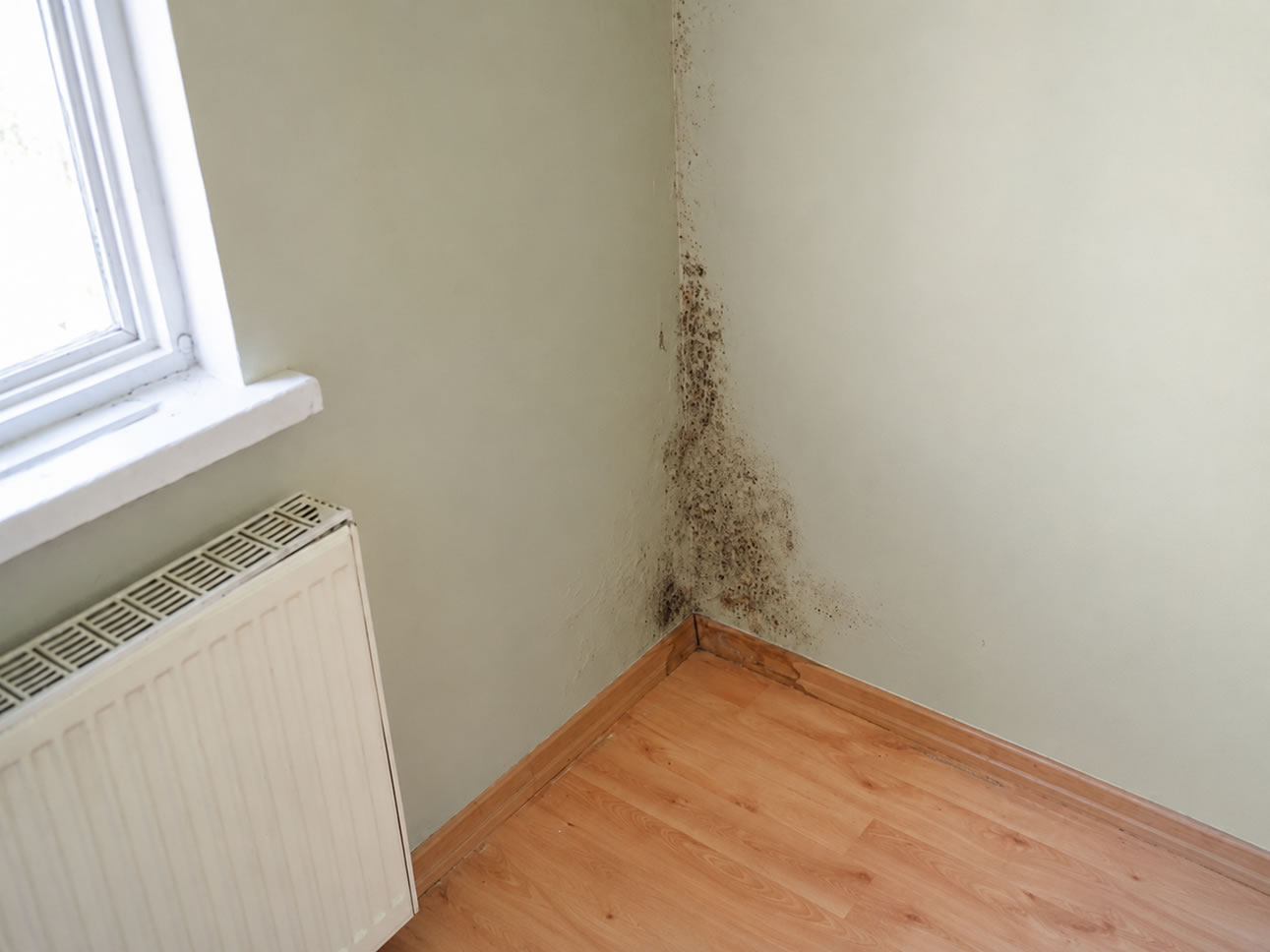
Damp problems rarely have a single, obvious cause. A wet patch near the floor may look like rising damp, yet the real problem could be a leaking pipe, high exterior ground levels or moisture crossing a blocked cavity. Meanwhile, mould around a bedroom window may have more to do with condensation and cold surfaces than a failure in the building’s damp-proof course.
For this reason, successful damp proofing depends on diagnosis before treatment. The aim should not simply be to cover a mark or inject a wall. Instead, a specialist should identify how moisture enters or builds up within the property and then recommend work that addresses that source.
This guide explains how damp investigations are carried out, the main forms of damp found in UK properties, the treatments available and how homeowners can compare quotations confidently.
Why damp should be diagnosed before work begins
Many damp treatments are designed for a specific type of moisture problem.
A chemical damp-proof course may help where moisture genuinely rises through masonry. However, it will not repair cracked render, a defective chimney flashing or an overflowing gutter. Similarly, fitting an extractor fan may improve condensation, but it will not stop rain entering through damaged brickwork.
A reliable diagnosis should consider:
- where the damp appears
- how high it reaches
- whether it changes after rainfall
- the construction and age of the property
- the condition of roofs, gutters and external walls
- ventilation and heating patterns
- plumbing and drainage
- exterior ground levels
- the position of any existing damp-proof course
- previous treatments or alterations
The best damp-proofing solution is often a combination of smaller repairs rather than one large treatment.
A room-by-room guide to damp symptoms
The location of a damp patch can provide useful clues, although it should not replace a professional inspection.
| Area of property | Common symptom | Possible causes |
|---|---|---|
| Ground-floor wall | Peeling paint, salts and damaged skirting | Rising moisture, bridged DPC, plumbing leak or high ground level |
| Bedroom corner | Black mould and cold wall surface | Condensation, poor insulation or restricted airflow |
| Around a chimney breast | Brown staining or damp after rain | Flashing, chimney pointing, flaunching or an unused flue |
| Below a window | Localised wet patch | Failed seal, defective sill, cracked render or leaking cavity |
| Bathroom ceiling | Mould and water droplets | Inadequate extraction and high humidity |
| Basement wall | Flaking paint and persistent moisture | Groundwater pressure or failed waterproofing |
| Loft or upper ceiling | Staining after storms | Roof covering, flashing, valley or gutter problem |
| Beside a downpipe | Damp external and internal wall | Split pipe, leaking joint or blocked drainage connection |
Rising damp: when a damp-proof course may be needed
Rising damp describes moisture moving upwards from the ground through absorbent wall materials. It normally affects the lower section of ground-floor walls.
Potential indicators include:
- a horizontal line or tide mark
- damage concentrated near floor level
- powdery salt deposits
- decaying skirting boards
- loose or crumbling plaster
- repeated paint failure after redecoration
However, these symptoms do not automatically prove rising damp. Similar damage can result from leaking pipes, bridged cavities and exterior paving that sits above the original damp-proof course.
How specialists may treat confirmed rising damp
A typical treatment plan may include:
- locating the existing DPC
- checking for bridging by soil, render or paving
- clearing cavity debris where necessary
- installing a remedial DPC if the original barrier has failed or is absent
- removing contaminated plaster
- applying a suitable replastering system
- allowing sufficient drying time before decoration
DPC treatment options
| Method | Description | Main advantage | Main consideration |
| Chemical injection | Damp-proofing cream or fluid introduced into drilled mortar joints | Less disruptive than installing a physical barrier | Relies on correct drilling pattern and wall suitability |
| Physical membrane | A barrier inserted into the masonry | Creates a direct physical break | More disruptive and labour-intensive |
| Electro-osmotic system | Uses an electrical process intended to control moisture movement | May be considered on some difficult structures | Suitability and evidence should be carefully assessed |
| Removing bridging | Exterior ground, render or debris lowered or removed | Addresses the route around an existing DPC | May be sufficient without additional injection |
Penetrating damp: stopping rainwater at its entry point
Penetrating damp develops when water passes through the external fabric of the building. It may appear at any height and often gets worse after wet or windy weather.
Common sources include:
- loose or missing roof tiles
- defective leadwork
- cracked render
- eroded brick pointing
- overflowing gutters
- leaking downpipes
- poorly sealed windows
- damaged parapets
- blocked cavities
- porous masonry
- flat roof defects
External fault and treatment comparison
| External defect | Likely internal effect | Typical repair |
| Overflowing gutter | Damp band below roofline | Clear blockage, repair fall or replace gutter |
| Failed chimney flashing | Staining near chimney breast | Repair or renew flashing and surrounding roof details |
| Cracked render | Localised wall damp | Remove failed areas and apply compatible render |
| Open mortar joints | Water penetration through brickwork | Repoint using a suitable mortar |
| Leaking downpipe | Vertical damp staining | Repair joints or replace damaged pipe |
| Failed window seal | Damp below or beside opening | Renew seals, sill detail or perimeter pointing |
| Defective flat roof | Ceiling staining or water ingress | Repair covering, outlets or edge details |
Internal waterproof paint should not be treated as a substitute for correcting the exterior defect. Otherwise, water may remain within the wall and reappear elsewhere.
Condensation: the most common moisture problem in occupied homes
Condensation forms when humid air reaches a cold surface. It is particularly common during autumn and winter, when homes are heated but ventilation is reduced.
Moisture builds up through normal activities such as:
- cooking without using extraction
- bathing and showering
- drying clothes indoors
- using an unvented tumble dryer
- keeping bedrooms cold
- closing trickle vents
- placing furniture tightly against external walls
Typical signs include black mould, water on windows, musty smells and dampness behind wardrobes or beds.
Condensation treatment options
| Improvement | How it helps | Suitable situations |
| Extractor fan upgrade | Removes humid air at source | Kitchens, bathrooms and utility rooms |
| Positive input ventilation | Introduces filtered air and encourages air movement | Homes with persistent whole-house condensation |
| Trickle vents | Supports background ventilation | Rooms with sealed modern windows |
| Consistent heating | Keeps wall surfaces warmer | Properties heated intermittently |
| Insulation upgrade | Reduces cold surfaces | External walls, lofts and floors |
| Dehumidifier | Removes moisture from air | Temporary support or difficult rooms |
| Furniture repositioning | Improves circulation | Mould behind wardrobes and large furniture |
A dehumidifier may reduce visible moisture, but it does not correct poor insulation, defective extraction or water penetration.
Damp linked to plumbing and drainage
A hidden plumbing leak can resemble rising or penetrating damp. Before major damp-proofing work begins, the survey should consider nearby:
- radiators and heating pipes
- bathrooms and shower trays
- kitchen plumbing
- washing machines and dishwashers
- soil stacks
- water supply pipes
- drains and gullies
Clues may include a damp patch that does not change with the weather, a sudden increase in water use, staining beneath a bathroom or persistent moisture in one isolated area.
Leak detection and plumbing repairs should normally be completed before plastering or waterproofing.
Basements, cellars and below-ground rooms
Below-ground rooms face continuous contact with damp soil. Standard above-ground treatments are not always sufficient because moisture may be driven through walls and floors under pressure.
The main systems are:
Cavity drainage membrane
A studded membrane is fitted to the inside of walls and sometimes floors. Water is directed behind the membrane into channels, drains or a sump pump.
Cementitious tanking
A waterproof coating is applied directly to prepared masonry to resist moisture passing through.
External waterproofing
The structure is excavated and protected from the outside. This may be effective but is often difficult or expensive on existing homes.
Basement systems compared
| System | Approach | Benefits | Drawbacks |
| Cavity drainage | Controls and redirects incoming water | Can accommodate minor movement and active water | Pumps and channels require maintenance |
| Cementitious tanking | Attempts to block water at the internal surface | Suitable for some masonry structures | Failure at one point can affect the whole system |
| External waterproofing | Stops water before it enters the structure | Protects the building fabric from outside | Excavation can be disruptive and costly |
| Combined design | Uses several layers of protection | Provides greater resilience | Higher initial cost and design complexity |
Basement work should usually be designed as a complete system rather than a local patch.
Damp proofing costs in the UK
There is no single damp-proofing price because the term covers many different jobs. A small gutter repair may solve one damp problem, while another property may require several rooms to be stripped, treated and replastered.
The following figures are broad planning ranges.
| Damp-proofing work | Typical budgeting range |
| Basic damp inspection | Free–£200 |
| Independent damp survey | £150–£500+ |
| Local plumbing or rainwater repair | £150–£1,000+ |
| Condensation improvements | £200–£2,000+ |
| Small DPC injection project | £700–£2,000 |
| Larger rising damp treatment | £2,000–£7,500+ |
| Replastering affected walls | £50–£100+ per m² |
| External wall pointing or render repair | £500–£5,000+ |
| Local basement tanking | £2,000–£6,000+ |
| Whole-room basement waterproofing | £5,000–£15,000+ |
| Professional mould remediation | £500–£3,500+ |
Actual prices depend on wall area, access, location, specification and the amount of making good required.
What changes the price of damp treatment?
The most important cost factors are:
- number of rooms affected
- total wall area
- wall thickness
- whether the property has solid or cavity walls
- the source of moisture
- access to external walls
- scaffolding requirements
- amount of plaster removal
- skirting and flooring disturbance
- exterior masonry or roof repairs
- specialist drainage or pump systems
- waste removal
- redecoration
- regional labour rates
A low quotation may only cover injection. A higher quotation may include plaster removal, replastering, skirting replacement and waste disposal. Homeowners should compare the full specification.
Damp treatment options compared
| Treatment | Intended problem | Typical disruption | Long-term success depends on |
| Chemical DPC | Ground moisture rising through walls | Medium | Correct diagnosis, wall type and replastering |
| Repointing | Rain entering masonry joints | Low–medium | Suitable mortar and complete repair |
| Gutter replacement | Overflowing or leaking rainwater system | Low–medium | Correct sizing, fall and outlets |
| Ventilation system | Condensation and high humidity | Low–medium | Correct design and regular use |
| Insulation improvement | Cold surfaces and condensation | Medium–high | Continuity and moisture control |
| Tanking | Below-ground penetration | High | Preparation and system continuity |
| Cavity membrane | Basement water management | High | Drainage maintenance and pump reliability |
| Mould treatment | Existing surface contamination | Low | Removal of the underlying moisture source |
Damp proofing in older houses
Period properties often rely on traditional materials that allow moisture to evaporate. Solid walls, lime mortar, lime plaster and suspended timber floors respond differently from modern cavity-wall construction.
Potential issues in older homes include:
- cement render trapping moisture
- non-breathable paint
- exterior ground levels raised over time
- blocked air bricks
- filled or bridged cavities
- chimney breasts sealed without ventilation
- concrete floors installed beside breathable walls
- hard cement pointing damaging softer bricks
A specialist working on a traditional building should explain whether the proposed materials are compatible with the original construction.
Surveyor, contractor or independent specialist?
Different types of inspection serve different purposes.
| Type of inspection | Best used for | Main point to check |
| Free contractor visit | Obtaining a quotation for an obvious issue | Whether the diagnosis is fully explained |
| Paid damp survey | Detailed inspection and specification | Scope of report and surveyor qualifications |
| Independent survey | Conflicting advice or major proposed work | Independence from treatment sales |
| Building survey | Wider property purchase or condition assessment | Whether specialist follow-up is recommended |
| Leak detection survey | Suspected hidden plumbing problem | Testing method and repair responsibility |
An independent survey can be particularly useful where several contractors recommend different treatments.
Questions to ask before accepting a quotation
Ask the contractor to answer the following in writing:
- What is the exact source of the moisture?
- What evidence supports the diagnosis?
- Which walls and rooms are included?
- Are external defects being repaired?
- Is plaster removal necessary?
- What replastering specification will be used?
- Are skirting boards and fittings included?
- Will waste be removed?
- How long should drying take?
- When can the wall be decorated?
- What guarantee applies?
- Is the guarantee insurance-backed?
- Is VAT included?
- What work could lead to additional charges?
How to compare damp proofing quotes
| Item to compare | Quote 1 | Quote 2 | Quote 3 |
| Diagnosis | |||
| Moisture source identified | |||
| Area of treatment | |||
| Exterior repairs | |||
| DPC treatment | |||
| Plaster removal | |||
| Replastering | |||
| Skirting and joinery | |||
| Waste disposal | |||
| Decoration | |||
| Guarantee | |||
| VAT included | |||
| Total price |
The best quotation is not necessarily the cheapest. It should provide a convincing diagnosis, a clear specification and realistic drying advice.
Treatments that may hide rather than solve damp
Homeowners should be cautious about:
- waterproof paint applied without repair work
- mould spray used as the only treatment
- chemical DPC injection without checking exterior ground levels
- replastering while the wall remains wet
- sealing air vents in unused rooms
- installing a membrane over a continuing leak
- using hard cement on soft, traditional brickwork
- replacing damaged decoration before the cause is resolved
Cosmetic work may improve the appearance temporarily, but moisture usually returns if its route remains open.
How long does damp proofing last?
The durability of damp treatment depends on what caused the problem and how well the repair was designed.
A properly repaired gutter or roof can provide a long-term solution. A correctly installed remedial DPC may also last for many years. In contrast, surface coatings and patch repairs may fail quickly if moisture continues to enter the wall.
Guarantees should be read carefully. Check whether they cover:
- materials
- workmanship
- replastering
- recurrence of damp
- transfer to a future owner
- inspection or administration fees
- exclusions relating to leaks or ventilation
How long do walls take to dry?
Drying time depends on wall thickness, moisture level, ventilation and the season. A wall can look dry at the surface while still retaining moisture deeper within the masonry.
Contractors may recommend delaying decoration for several weeks or months. Breathable or water-based finishes are often preferred during the drying period, depending on the replastering system.
Homeowners should follow the written advice supplied with the treatment.
Can homeowners prevent damp?
Some preventative steps are straightforward:
- keep gutters and downpipes clear
- repair dripping joints
- maintain roof coverings and flashing
- avoid raising soil or paving above the DPC
- use kitchen and bathroom extractor fans
- keep trickle vents open
- maintain background heating
- leave space behind large furniture
- check air bricks remain clear
- repair plumbing leaks promptly
- inspect exterior pointing and render
Regular maintenance can prevent a small defect from turning into an expensive internal damp problem.
When should damp be treated urgently?
Arrange a prompt inspection where:
- water is entering near electrics
- ceilings are sagging
- plaster is falling
- mould affects bedrooms or children’s rooms
- timber feels soft or rotten
- a basement is flooding
- damp appears suddenly
- there is a strong sewage or drainage smell
- the problem is spreading rapidly
Request damp proofing quotes from local specialists
When completing a quote request, include clear information about the problem:
- property type and approximate age
- room and wall affected
- height and size of the damp area
- whether it worsens after rain
- presence of mould, salts or damaged plaster
- known roof, gutter or plumbing defects
- previous damp treatments
- photographs of the inside and outside wall
Find Me Quotes can connect homeowners with local professionals who carry out damp surveys, rising damp treatment, penetrating damp repairs, condensation control and basement waterproofing.
Comparing several written quotes can help you understand whether specialists agree on the cause and whether the proposed work offers good long-term value.
Frequently asked questions
What does damp proofing include?
Damp proofing can include DPC installation, exterior wall repairs, roof and gutter repairs, ventilation improvements, replastering, mould treatment and basement waterproofing. The correct work depends on the source of moisture.
Can rising damp be diagnosed with a moisture meter?
A meter can support an investigation, but it should not be the only evidence. Salts, wall construction, ground levels, plumbing and exterior defects should also be considered.
Is condensation a damp-proofing problem?
Condensation is a form of damp, but it is usually managed through ventilation, heating, insulation and moisture control rather than DPC injection.
How much does a damp survey cost?
A basic contractor inspection may be free, while a detailed or independent survey commonly costs from around £150 to £500 or more, depending on property size and report detail.
Is damp proofing covered by home insurance?
Policies vary. Insurance may cover sudden damage from an insured event, such as an escape of water, but gradual deterioration or poor maintenance is often excluded. Homeowners should check their policy.
Can damp proofing be completed from the outside only?
Some problems can be solved externally, such as leaking gutters, damaged pointing or high ground levels. Rising damp or contaminated internal plaster may require interior work as well.
Should I remove mould myself?
Small areas can sometimes be cleaned carefully, but recurring or extensive mould requires the moisture source to be addressed. Larger contamination or vulnerable occupants may justify professional help.
Does a damp-proof course stop all types of damp?
No. A DPC is designed to control moisture rising from the ground. It will not stop condensation, plumbing leaks, roof leaks or rain penetrating through walls.